

Corruption keeps returning. What if we strengthened the systems that keep allowing it to return?
The Philippines already has anti-corruption laws and institutions. Yet recurring weaknesses can persist beneath formal compliance. FGAC is a proposal for an independent, multisector civic institution that would examine whether important governance and internal-control systems actually function over time—adding to, not replacing, lawful government institutions.
The Problem Is Deeper Than the Latest Scandal
Scandals are visible events. Below them lie recurring patterns, institutional structures, incentives and assumptions that allow corruption risks to reappear. Sustainable reform therefore requires attention to the system—not only the latest case.
Explore the systemic problem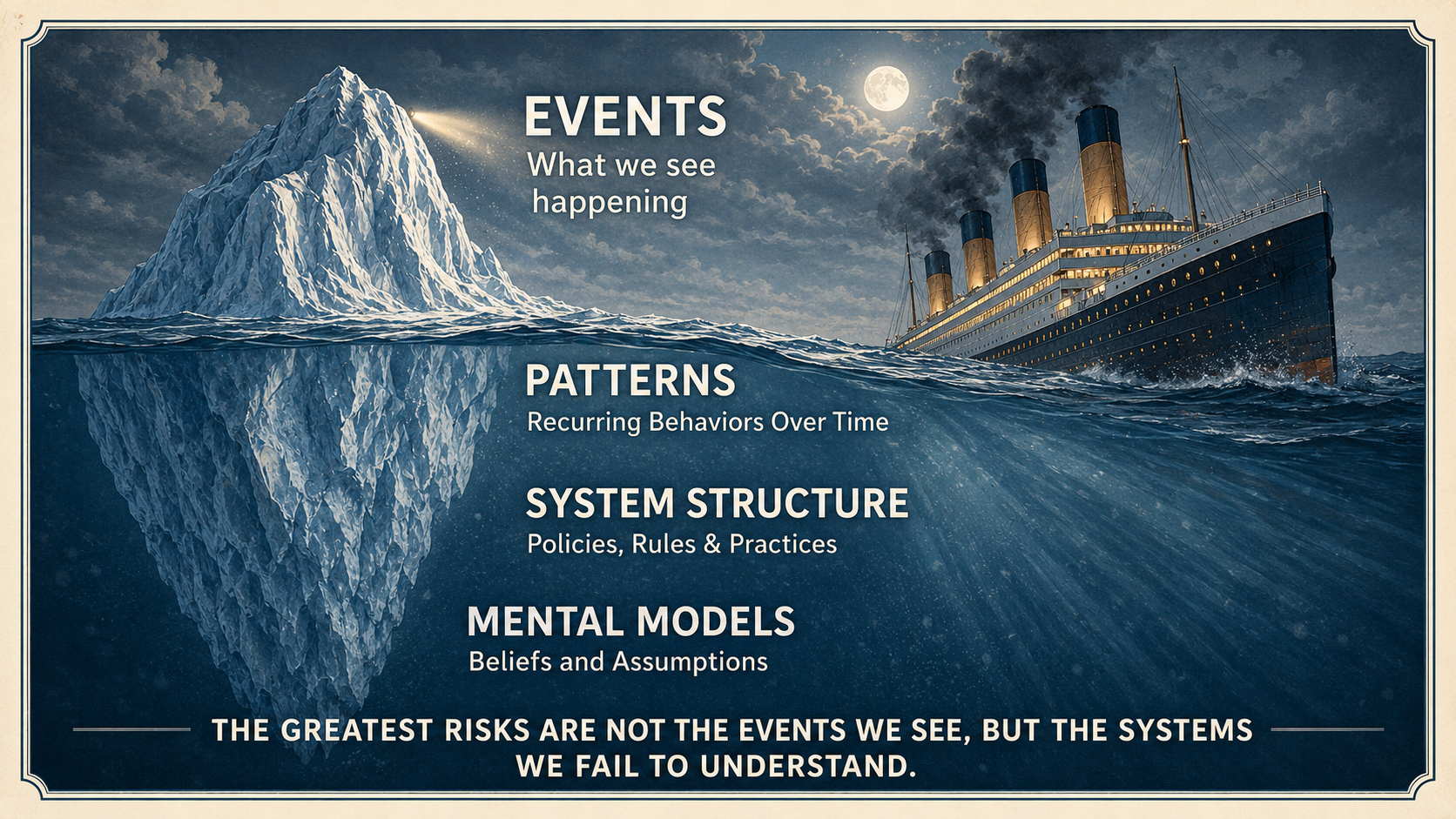
A civic guardrail focused on whether systems work
Independent scrutiny
A future FGAC would bring sustained civic attention to the functioning of governance and internal-control systems.
Multisector participation
Civil society, business, faith communities and media would contribute different forms of credibility and oversight.
Institutional learning
The proposal emphasizes evidence, constructive engagement and improvement over time—not political spectacle.

From Paper Compliance to Functioning Controls
Policies, committees and reports may exist while essential controls remain weak in practice. The proposal would look beyond documents to whether responsibility, monitoring, corrective action and accountability operate consistently.
See how engagement would workGood Governance Design Framework
The GGDF would provide a disciplined way to examine an agency’s governance guardrails, identify gaps between formal design and actual functioning, and support practical improvement without assuming the role of government auditors, investigators or regulators.
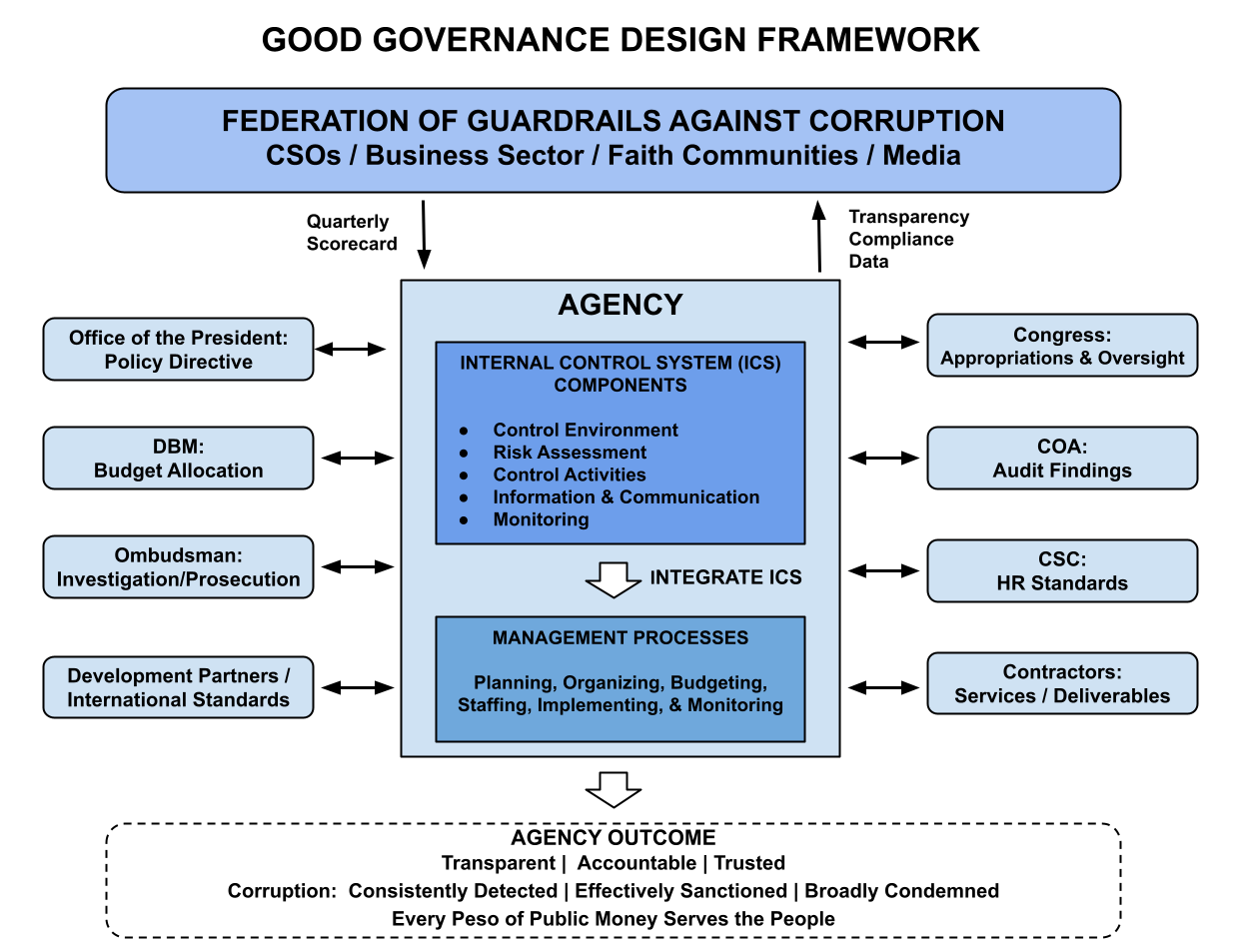
How an Agency Engagement Would Work
Define authority and scope
Understand context
Gather system information
Apply the framework
Test findings
Agree practical actions
Monitor over time
FGAC Would Also Need Guardrails Around Itself
An institution that examines other institutions must be designed to resist capture, conflicts of interest, founder dependence and mission drift. The proposal therefore places its own governance, transparency and checks and balances at the center.
Examine proposed governance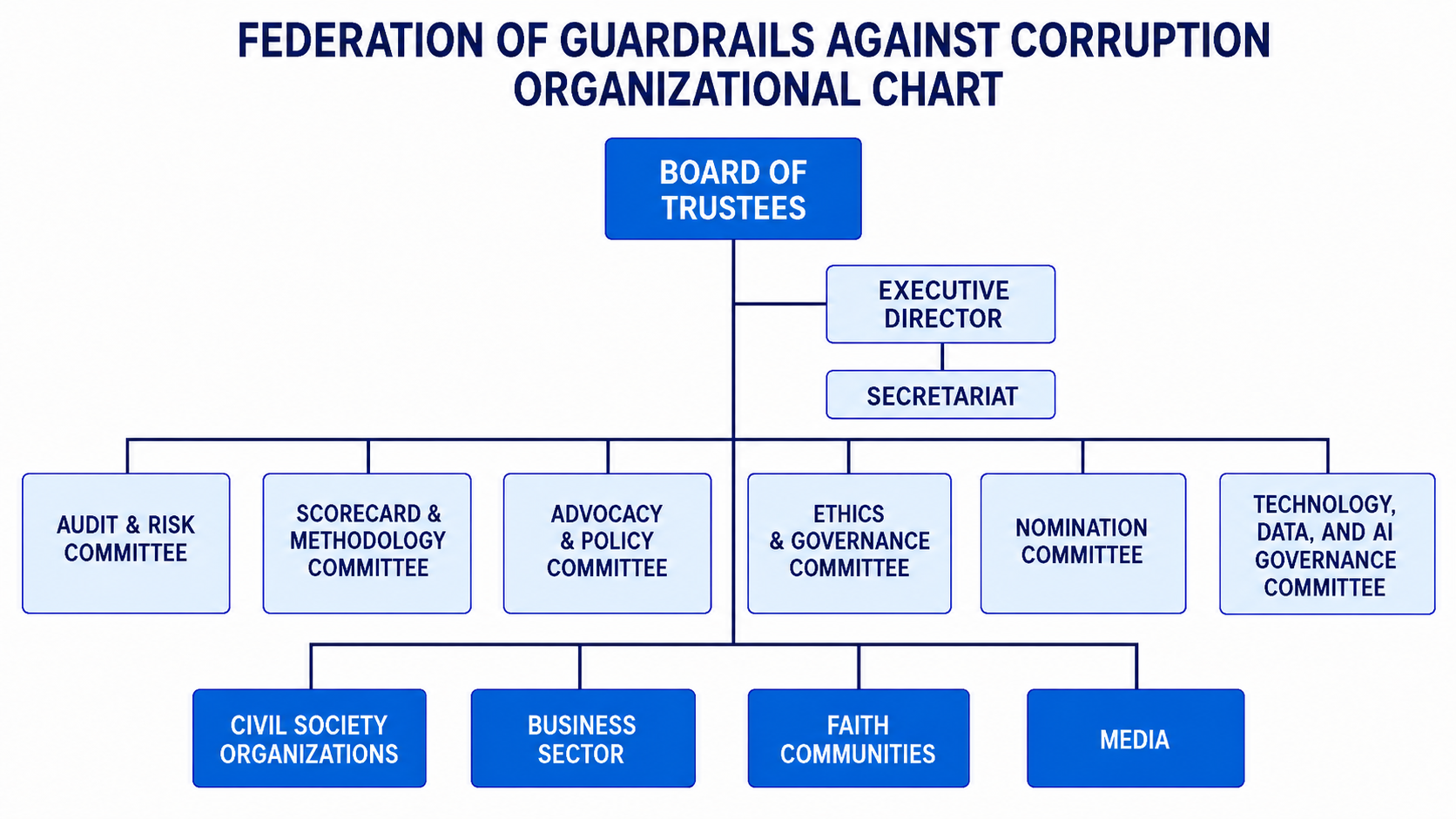
Build → Scale → Institutionalize
Build
Convene a credible founding group, subject the design to expert review and test the framework carefully.
Scale
Learn from early engagements, refine the methodology and strengthen multisector participation.
Institutionalize
Develop a durable institution whose legitimacy rests on sound governance and public value rather than personalities.
The book can design the institution. It cannot create it.
Who will convene the first credible group?
The better the founders succeed, the less FGAC should depend on them.
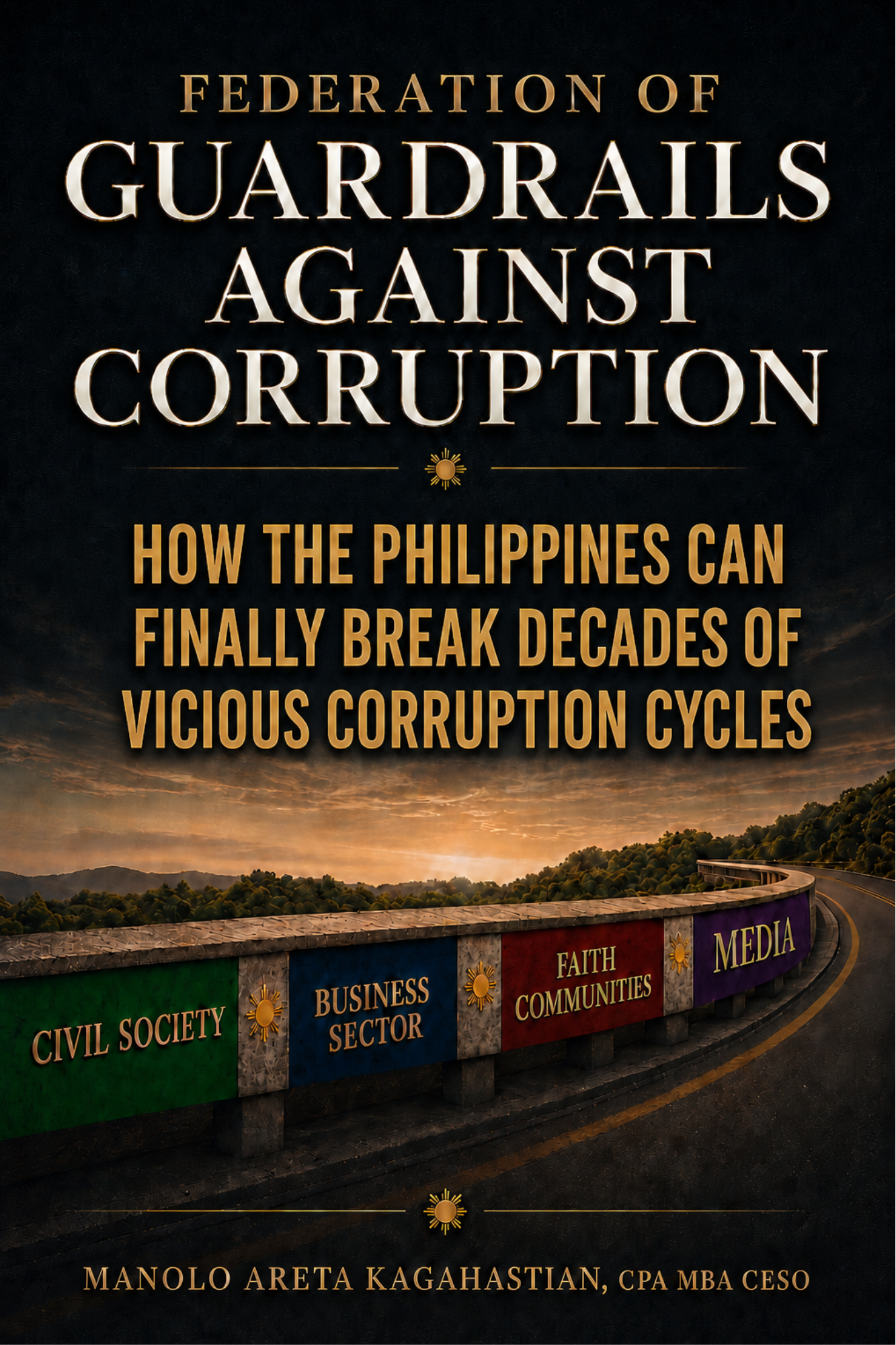
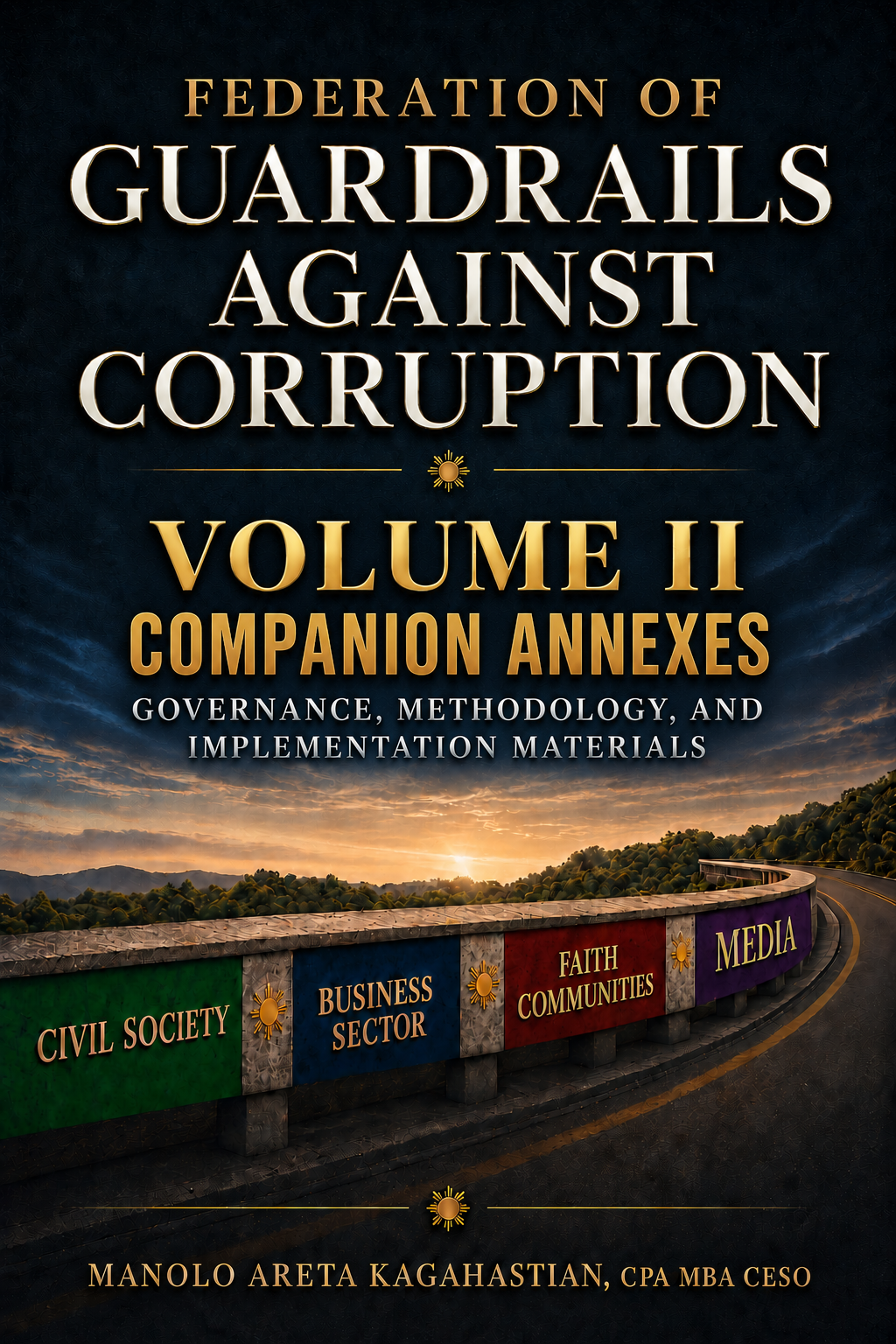
The Book and Public Resources
A forthcoming two-volume publication sets out the institutional proposal. Volume I presents the main argument; Volume II contains detailed governance, methodology, implementation and supporting materials.
View books and resourcesAn invitation to test, improve and possibly build
This website presents FGAC as a proposal, not an operating institution. Its purpose is to make the design accessible to serious reviewers and potential conveners while preserving the principle that any future institution must be larger than its originator.